











Table of Contents
1. Introduction
If you have noticed that your radiators are cold at the bottom while the top remains warm, it is an issue that requires immediate attention. This common problem can lead to inefficient heating and increased energy bills. Often, the solution lies in a process known as power flushing, which can restore your heating system’s efficiency and effectiveness.
2. Understanding Radiator Functionality
Before delving into solutions, it is crucial to understand how radiators function within a central heating system. Radiators are designed to transfer heat from hot water circulating through them into your living space. Typically, this involves hot water entering the radiator at the top and exiting at the bottom, where it returns to the boiler for reheating.
The effectiveness of this process relies on clear pathways for water flow and efficient heat transfer. When this system is compromised, as evidenced by cold spots in your radiators, it can indicate underlying issues that need addressing.
3. Signs of Cold Radiators
Cold spots in radiators are often symptomatic of deeper issues within your heating system, such as sludge build-up or air pockets. Here are some key indicators that may suggest your radiators require a power flush:
1. Uneven Heating: Some rooms feel significantly warmer than others.
2. Cold Bottoms: Radiators that are warm at the top but cold at the bottom.
3. Gurgling Noises: Unusual sounds coming from the radiator can indicate trapped air or sludge.
4. Increased Energy Bills: A rise in heating costs without any increase in usage may signal inefficiency due to blockages.
Recognizing these signs early on can prevent more significant problems down the line.
4. What Causes Cold Spots in Radiators?
Several factors can contribute to cold spots in your radiators, with two primary culprits being air and sludge build-up:
1. Air Pockets: When air becomes trapped within a radiator, it prevents hot water from circulating effectively.
2. Sludge Accumulation: Over time, rust, sediment, and debris can accumulate within the system, creating blockages that hinder water flow.
Both issues can lead to decreased efficiency and higher energy consumption, making it essential to address them promptly.
5. The Importance of a Power Flush
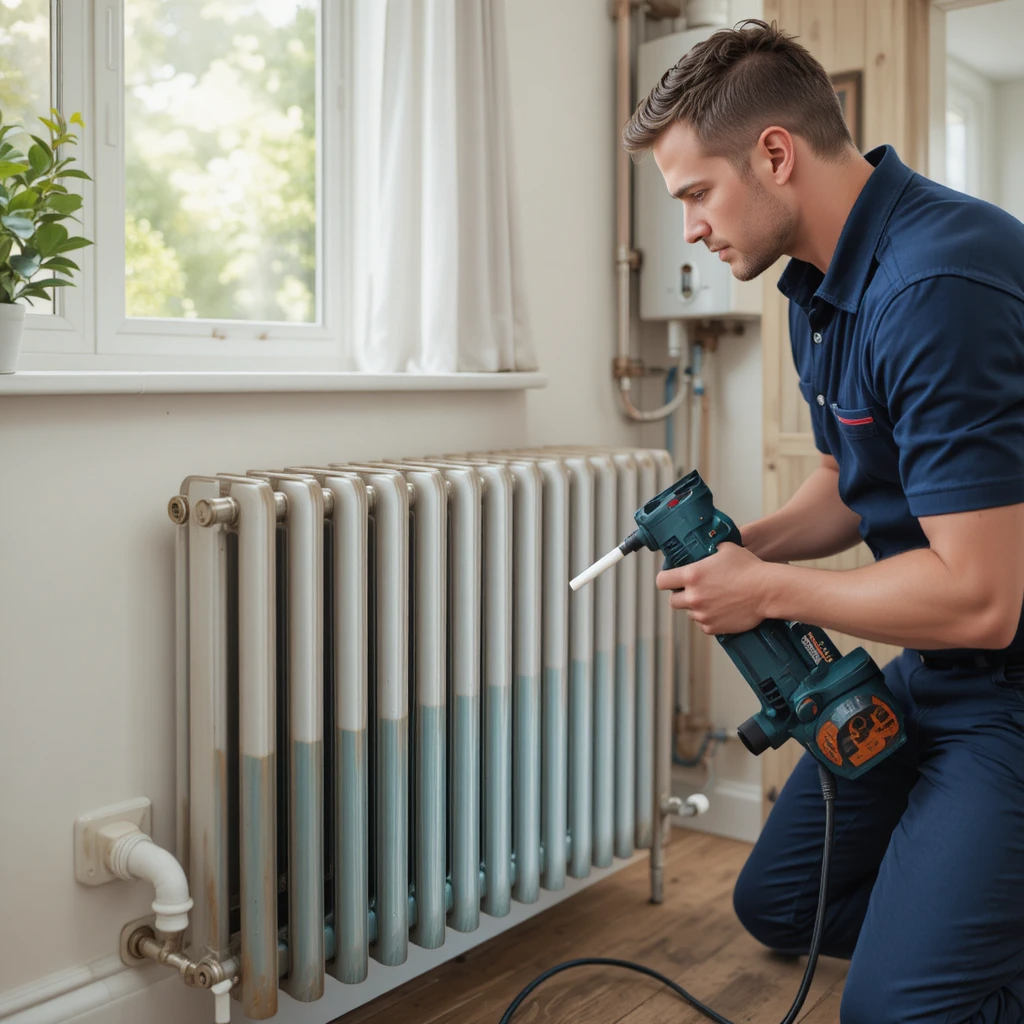
A power flush is an effective method for cleaning out central heating systems that have become clogged with sludge and debris over time. This process involves circulating a high-velocity flow of water mixed with cleaning chemicals through the heating system to remove unwanted build-up.
Power flushing not only clears obstructions but also improves overall system efficiency, leading to better heating performance and reduced energy bills.
6. How a Power Flush Works
The power flushing process typically involves several steps:
1. Assessment: A professional will assess your heating system to determine if a power flush is necessary.
2. System Isolation: The heating system is isolated to prevent contamination and ensure safety during cleaning.
3. Chemical Treatment: A chemical cleaner is added to break down sludge and debris.
4. Flushing: High-pressure water is pumped through the system, carrying away loosened contaminants.
5. Refilling: After flushing, clean water is added back into the system alongside appropriate inhibitors to prevent future corrosion.
This thorough approach ensures that your radiators are returned to optimal working order.
7. Benefits of Regular Power Flushing
Investing in regular power flushing can provide numerous benefits for homeowners:
1. Enhanced Efficiency: A cleaner system heats more effectively and consistently.
2. Lower Energy Costs: Improved efficiency translates into reduced energy bills.
3. Longevity of Equipment: Regular maintenance helps extend the lifespan of your boiler and radiators.
4. Reduced Risk of Breakdowns: Preventative measures decrease the likelihood of costly repairs or replacements.
Plumbing Force recommends scheduling power flushes every five years for optimal maintenance.
8. When to Call a Professional
While some minor radiator issues can be resolved with DIY methods such as bleeding air from radiators, more significant problems require professional attention:
1. Persistent Cold Spots: If bleeding does not resolve cold areas in your radiator, it may be time for a power flush.
2. Unusual Noises: Gurgling or banging sounds often indicate trapped air or sludge that needs professional intervention.
3. High Energy Bills: If your energy costs spike unexpectedly, it may signal inefficiencies needing expert evaluation.
Choosing certified professionals ensures that you receive quality service tailored specifically to your heating system’s needs.
9. Choosing the Right Service Provider
When selecting a service provider for your power flush, consider the following factors:
1. Experience and Qualifications: Look for companies with certified technicians who have experience with various heating systems.
2. Customer Reviews: Check online reviews or ask for references to gauge customer satisfaction.
3. Comprehensive Services: Choose providers like Plumbing Force that offer a range of services beyond just power flushing, ensuring ongoing support for your heating needs.
4. Transparent Pricing: Ensure you receive detailed quotes upfront without hidden fees or surprises.
Making an informed choice can save you time and money while ensuring effective service.
10. Maintaining Your Central Heating System
To keep your central heating system running smoothly between power flushes, consider these maintenance tips:
1. Bleed Your Radiators Regularly: This simple task helps release trapped air and improves efficiency.
2. Check Pressure Levels: Ensure your boiler pressure remains within recommended limits.
3. Schedule Annual Inspections: Professional check-ups can identify potential issues before they escalate into major problems.
By adhering to these practices and engaging professional services like Plumbing Force when needed, you can maintain an efficient and effective central heating system throughout the colder months.
Tending to cold spots in your radiators is essential for maintaining comfort in your home as well as controlling energy costs effectively over time. Recognizing when your system requires intervention will help ensure optimal performance year after year without unnecessary complications or expenses arising from neglecting preventive measures like power flushing.
If you want to know about Navigating HVAC Challenges: Addressing Air Conditioning Failures After Hours then visit our Home Improvement category.