












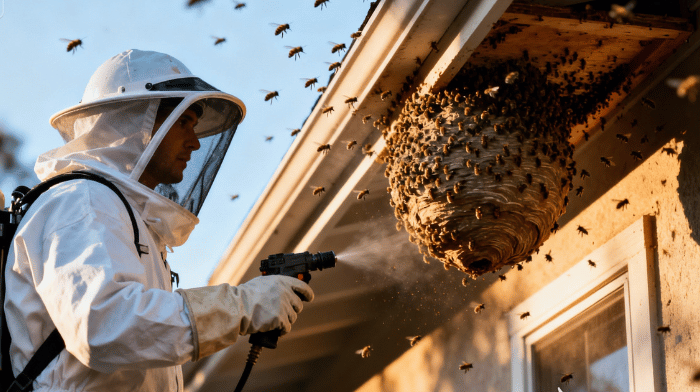
A bee exterminator is a trained professional who specializes in the safe and effective removal of bees from residential, commercial, and outdoor properties. Unlike simple pest control, bee extermination requires specialized knowledge of different bee species, their behaviors, and the risks they pose to humans, pets, and property.
A bee exterminator typically begins with a thorough inspection and assessment to identify the species, locate the hive or nest, and evaluate the size and accessibility of the colony. Depending on the situation, the exterminator may use humane relocation techniques, particularly for honeybees, which are vital pollinators and often protected by law.
Professional bee exterminators also prioritize safety, wearing protective gear and following strict protocols to prevent stings and allergic reactions. While DIY removal methods may appear cheaper, they carry significant risks, including incomplete removal, re-infestation, and serious injury.
| Topic | Details |
| What They Do | Safely remove or relocate bees, remove hives and honey/wax, repair structural damage, and prevent future infestations. |
| Signs You Need One | Buzzing sounds in walls or attics, visible bees entering/exiting consistently, honeycomb or wax buildup, frequent stings, or swarming bees. |
| Common Bee Types | Honeybees (non-aggressive, often relocated), Bumblebees (less aggressive, nest underground), Carpenter Bees (bore wood, cause damage), and Africanized Bees (highly aggressive, urgent removal). |
| Typical Cost | $150–$2,500+, depending on colony size, species, hive location, and removal method. |
| DIY vs Professional | DIY is risky due to stings, incomplete removal, and property damage; professionals ensure safe, species-specific removal, cleanup, and long-term prevention. |
Table of Contents
Guide About Bee Exterminators
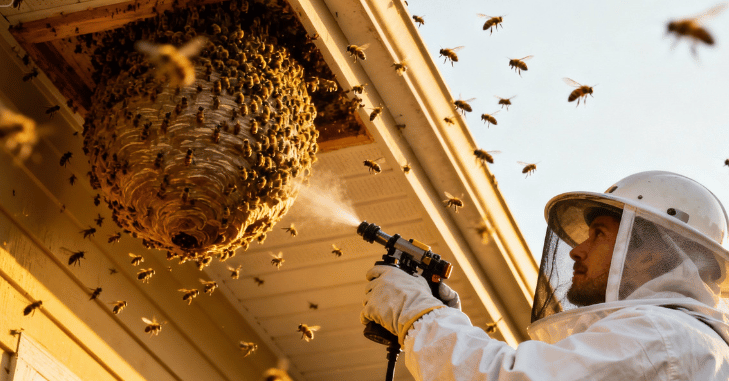
A bee exterminator is a professional trained to safely remove bees from homes, gardens, or other properties while minimizing risks to humans, pets, and the bees themselves. While some exterminators may use chemical treatments to eliminate infestations, many now focus on humane bee removal and relocation, especially for honeybee colonies, which are protected in many regions due to their ecological importance.
Professional bee exterminators provide:
- Inspection and identification of the species
- Safe removal or relocation of the colony
- Hive removal and cleanup
- Prevention measures to avoid re-infestation
Signs You Need a Bee Exterminator
Identifying a bee infestation early is crucial for safety and cost control. Common signs include:
- Buzzing sounds around walls, eaves, or attic spaces
- Visible bees entering or exiting a single area consistently
- Honeycomb or wax buildup in attics, walls, or trees
- Frequent stings near the property
- Swarming bees around your yard or garden
If you notice any of these signs, contacting a bee exterminator promptly is the safest approach.
Types of Bees and Their Risks
| Bee Species | Behavior & Aggression | Removal Considerations |
| Honeybees | Generally non-aggressive unless provoked | Often relocated; produce honey and wax in walls or attics |
| Bumblebees | Less aggressive; can sting if disturbed | Nest underground or in wall voids; careful removal required |
| Carpenter Bees | Bore holes into wood | Can cause structural damage over time; removal may involve wood repair |
| Africanized “Killer” Bees | Highly aggressive; swarm quickly | Urgent professional removal required for safety |
Bee Exterminator Services
Professional bee exterminators typically offer the following services:
1. Inspection and Assessment
- Identify the type of bees and the size of the colony
- Locate the hive or nest
- Determine potential hazards and access points
2. Hive Removal
- Removal of the hive while minimizing harm to humans
- In the case of honeybees, relocation to a safe environment
- Proper handling of honeycomb and wax
3. Chemical Treatment (if necessary)
- Used mainly for aggressive or pest species
- Targeted application to eliminate the colony
- Follow-up treatment to prevent re-infestation
4. Cleanup and Restoration
- Removal of honey, wax, and dead bees
- Repairing wall damage or sealing holes used by bees
- Odor removal and sanitation
Bee Exterminator Cost

The typical price ranges for bee exterminator services vary depending on the size of the colony, the species involved, and the complexity of removal. For a small honeybee colony, homeowners can expect to pay between $150 and $500, while a medium-sized colony usually costs around $500 to $1,000 to remove safely.
Larger or more aggressive colonies, including Africanized bees, can cost $1,000 to $2,500 or more, reflecting the increased risk and labor required. Carpenter bee treatments generally range from $100 to $400 per affected area, focusing on eliminating the bees and repairing minor wood damage.
Hive removal and relocation, particularly for honeybees, typically costs $300 to $1,200, as it involves careful extraction and transportation of the colony. Additional structural repair and cleanup after bee removal can range from $200 to $2,000 or more, depending on the extent of damage, wax, honey buildup, or nesting debris that needs to be addressed.
DIY vs. Professional Bee Extermination
DIY Bee Removal
Attempting to remove bees yourself can be extremely dangerous. Risks include:
- Multiple stings leading to allergic reactions
- The incomplete removal is causing bees to return
- Property damage from improper hive handling
DIY methods often involve repellents, smoke, or sprays, but these rarely solve the root problem.
Professional Extermination
- Ensures safe handling and relocation
- Uses species-specific techniques
- Provides cleanup, restoration, and prevention advice
- Reduces long-term costs and safety hazards
Safety Precautions During Bee Removal

- Never disturb a hive yourself, especially Africanized bees
- Keep children and pets away from the area
- Wear protective clothing and use proper equipment
- Avoid using chemical sprays without professional guidance
Choosing a Bee Exterminator
When hiring a bee exterminator, it is important to carefully evaluate several key factors to ensure safe and effective service. First, check the licensing and certification of the company to confirm that they are legally authorized to perform bee removal and handle wildlife.
Experience with different bee species is also crucial, as honeybees, bumblebees, carpenter bees, and Africanized bees each require specific removal techniques. Consider the company’s approach to relocation versus extermination; eco-friendly and humane options are generally preferred, especially for honeybee colonies.
Additionally, verify that the company carries insurance and offers guarantees, which protect your property and provide accountability in case of damage or incomplete removal. Finally, request transparent pricing with detailed estimates covering inspection, removal, cleanup, and any necessary repairs, so you can avoid unexpected costs and make an informed decision.
Long-Term Costs of Ignoring a Bee Infestation
Failing to address a bee problem can lead to significant expenses over time:
- Structural damage from honeycomb, wax, or carpenter bees
- Mold or odor issues from accumulated honey or moisture
- Increased risk of stings and allergic reactions
- Repeated infestations require more costly removal
Early professional intervention is often more cost-effective than waiting for the colony to grow.
Preventing Future Bee Infestations

- Seal cracks, gaps, and vents around your home
- Maintain trees and shrubs to reduce nesting spots
- Avoid leaving exposed sugary foods or drinks outside
- Regularly inspect attics, eaves, and crawl spaces for early signs
Conclusion
Hiring a professional bee exterminator ensures that your property is safe, the bees are handled appropriately, and structural damage is minimized. Costs vary based on colony size, species, location, and removal method, but professional intervention is always safer and more effective than DIY attempts.
Professional bee exterminators typically guarantee their work and provide follow-up inspections. Early detection, proper inspection, humane removal, and preventive measures can save homeowners money, protect health, and prevent future infestations.
Want to know about How Professional Window Cleaners Prevent Water from Freezing in Cold Weather Check out our Home Improvement category.
FAQs
According to this proverb, you can move a beehive up to three feet from its original location, and the bees will still find it. However, if the distance is three miles or more, the bees will realize they are no longer in Kansas and will reorient.
While more extensive beehive removal procedures can cost anywhere from $1,000 to $2,000, the usual job will cost between $75 and $150.
The 7/10 rule is adhered to by many beekeepers. According to this rule, when the bees have covered seven out of ten frames in the current box or boxes, it is the ideal time to add a super.
According to one study, established colonies can live for five to six years if they survive the first winter, but only twenty-three percent of them do.