












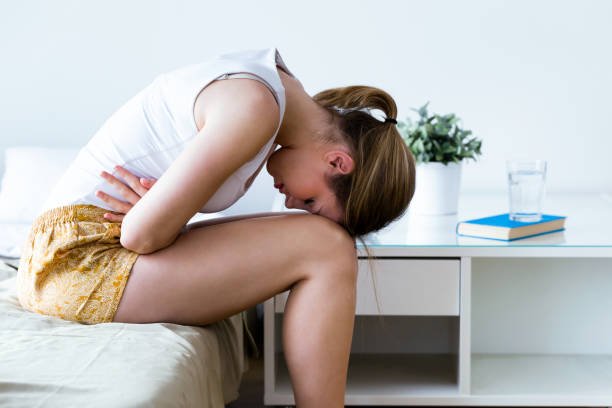
Menstrual health is often viewed purely through a biological lens, but the reality is far more complex. A woman’s menstrual cycle is influenced by a range of lifestyle factors that interact with hormones, metabolism, stress levels, and overall wellbeing. From diet and sleep habits to exercise routines and emotional health, everyday choices can play a significant role in how regular, comfortable, and predictable the menstrual cycle is.
Understanding these influences empowers women to take proactive steps toward maintaining hormonal balance and identifying when it may be time to seek professional guidance from a qualified healthcare provider such as a lady gynecologist. Keep reading to explore the key lifestyle factors that can affect menstrual health and what women can do to support a healthier cycle.
Table of Contents
Nutrition and Hormonal Balance
Diet plays a central role in hormonal regulation. Hormones rely on nutrients such as healthy fats, proteins, vitamins, and minerals to function effectively. When dietary habits are unbalanced or deficient, menstrual irregularities can occur.
Important nutrients that support menstrual health include:
- Iron: Iron is crucial for replacing blood lost during menstruation. Low iron levels can lead to fatigue and may worsen heavy periods.
- Magnesium: Magnesium helps regulate muscle contractions and may reduce menstrual cramps and mood fluctuations.
- Omega-3 fatty acids: These healthy fats support anti-inflammatory processes in the body and may help ease menstrual discomfort.
- B vitamins: B vitamins assist in energy production and hormone metabolism, helping stabilise mood and energy levels during different phases of the menstrual cycle.
Diets high in processed foods, refined sugars, and excessive caffeine may disrupt blood sugar balance and hormone signalling, potentially contributing to irregular cycles or more severe symptoms such as bloating and mood swings.
Stress and Its Impact on the Menstrual Cycle
Chronic stress is one of the most significant lifestyle factors affecting menstrual health. When the body experiences prolonged stress, it releases higher levels of cortisol, the primary stress hormone. Elevated cortisol can interfere with reproductive hormones such as oestrogen and progesterone – this disruption may lead to:
- Irregular menstrual cycles
- Delayed or missed periods
- Increased premenstrual symptoms
- More intense menstrual cramps
The brain’s hypothalamus, which regulates hormones, is particularly sensitive to stress. When stress levels remain elevated for long periods, the hypothalamus may temporarily suppress ovulation, leading to cycle irregularities.
Stress management strategies that may support menstrual health include:
- Regular relaxation practices such as meditation or yoga
- Adequate downtime and work-life balance
- Spending time outdoors
- Talking with supportive friends, family, or mental health professionals
Physical Activity and Exercise Patterns
Exercise has many benefits for hormonal health, circulation, and mood. Moderate physical activity can help regulate menstrual cycles and reduce symptoms such as cramps and fatigue. However, the relationship between exercise and menstruation depends heavily on intensity and balance.
Moderate exercise benefits
Activities such as walking, swimming, strength training, or Pilates can help:
- Improve blood circulation
- Reduce inflammation
- Support healthy hormone levels
- Relieve stress
Excessive exercise risks
Highly intensive training combined with inadequate calorie intake may suppress reproductive hormones. This condition, sometimes associated with athletes, can lead to missed periods or amenorrhea. Maintaining a balanced exercise routine with adequate nutrition is essential for supporting a healthy cycle.
Sleep Quality and Circadian Rhythms
Sleep is closely tied to hormonal regulation. The body’s circadian rhythm controls many biological processes, including the release of reproductive hormones. Poor sleep habits or inconsistent sleep schedules may disrupt this hormonal rhythm, potentially contributing to menstrual irregularities.
Common sleep-related factors that can affect menstrual health include:
- Chronic sleep deprivation
- Irregular sleep schedules
- Excessive screen time before bed
- Shift work or overnight work schedules
Prioritising good sleep hygiene can support hormonal balance. Helpful strategies include:
- Maintaining consistent bedtimes and wake times
- Reducing exposure to screens before sleep
- Creating a calm and dark sleep environment
- Limiting caffeine intake later in the day
Body Weight and Metabolic Health
Body weight can significantly influence reproductive hormones. Both underweight and overweight conditions may affect menstrual cycles.
- Low body weight: Insufficient body fat can reduce oestrogen production. In some cases, this can lead to irregular periods or the complete absence of menstruation.
- Excess body weight: Higher levels of body fat may increase oestrogen production, which can disrupt the normal balance between oestrogen and progesterone. This imbalance may contribute to irregular cycles, heavier bleeding, or conditions such as polycystic ovary syndrome (PCOS). Maintaining a balanced weight through healthy nutrition and physical activity supports stable hormone levels and regular menstrual cycles.
- Alcohol, Smoking, and Substance Use: Lifestyle habits involving alcohol, smoking, and other substances may also influence menstrual health.
- Alcohol: Frequent alcohol consumption can interfere with liver function, which plays an important role in metabolising hormones. This may affect hormonal balance and contribute to irregular cycles.
- Smoking: Smoking has been linked to earlier menopause and may increase the severity of menstrual symptoms such as cramps and heavier bleeding.
Reducing or eliminating these substances can improve overall reproductive health and support hormonal balance.
Environmental and Lifestyle Toxins
Modern environments expose individuals to a range of chemicals that may interfere with hormonal systems. These substances, often referred to as endocrine disruptors, can mimic or interfere with natural hormones. Common sources include:
- Certain plastics and food packaging
- Pesticides and herbicides
- Personal care products containing synthetic chemicals
While complete avoidance is difficult, reducing exposure where possible—such as choosing BPA-free products and natural skincare items—may support long-term hormonal health.
When to Seek Medical Advice
While lifestyle changes can improve many aspects of menstrual health, persistent or severe symptoms should always be evaluated by a healthcare professional. It may be helpful to seek medical advice if you experience:
- Consistently irregular cycles
- Extremely painful periods
- Very heavy bleeding
- Periods that stop for several months
- Severe premenstrual symptoms affecting daily life
A qualified gynaecologist can help identify underlying conditions and recommend appropriate treatments or lifestyle adjustments.
Supporting a Healthy Menstrual Cycle
Menstrual health is closely linked to overall wellbeing. The body’s hormonal systems respond to daily habits, emotional health, nutrition, and environmental influences. By focusing on balanced nutrition, regular physical activity, effective stress management, adequate sleep, and healthy lifestyle habits, women can create conditions that support a more regular and comfortable menstrual cycle.
Equally important is recognising when symptoms require professional evaluation. Combining healthy lifestyle choices with expert medical care provides the most comprehensive approach to maintaining optimal menstrual health throughout every stage of life.
Want to know about Why the Best Menstrual Cup Is a Game-Changer for Sustainable Period Care Check out our Health category.