












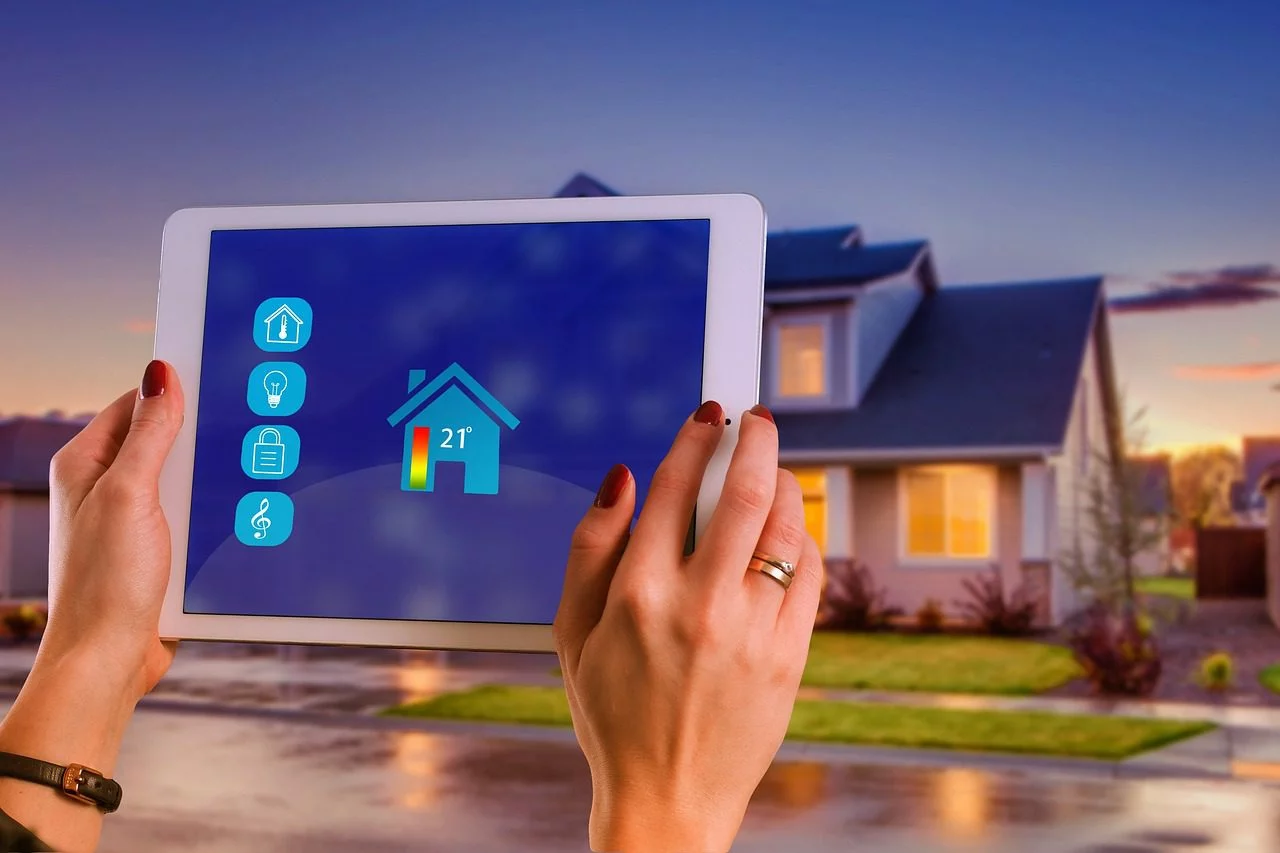
Smart home technology has evolved rapidly over the past decade. What once seemed futuristic is now part of everyday living, with connected lighting, automated climate control, voice assistants, and integrated security systems becoming increasingly common in modern households.
Despite this growth, many misconceptions still surround the idea of smart homes. Some people assume the technology is too expensive, too complicated, or even unnecessary. In reality, the modern smart home ecosystem is far more accessible and practical than many people realise.
If you’ve ever been curious about integrating smart home devices into your home but hesitated due to what you’ve heard, it’s worth separating the myths from the facts. Here are some of the most common smart home myths—and the truth behind them.
Table of Contents
Myth 1: Smart Homes Are Only for Tech Experts
One of the biggest misconceptions about smart home technology is that it requires advanced technical knowledge to install or operate.
The Truth: Modern smart home systems are specifically designed to be user-friendly. Many devices simply plug into a power outlet and connect to your home’s Wi-Fi network via a mobile app. Setup often takes only a few minutes.
Manufacturers understand that most users are not IT professionals, so they prioritise simplicity in both installation and everyday operation. Voice assistants, intuitive mobile apps, and automation templates allow homeowners to control their systems with minimal effort.
In fact, many people start with a single device—such as a smart light bulb or plug—and gradually expand their system as they become more comfortable with the technology.
Myth 2: Smart Homes Are Extremely Expensive
Another common belief is that building a smart home requires a massive investment.
The Truth: While high-end home automation systems can be expensive, entry-level smart home technology is surprisingly affordable. Many individual devices cost no more than traditional household gadgets. For example:
- Smart plugs can cost less than a typical power board
- Smart light bulbs are often comparable to premium LED bulbs
- Entry-level security cameras are widely accessible
Because systems are modular, homeowners can add new features gradually rather than installing everything at once. This flexibility allows smart home technology to fit a wide range of budgets.
Myth 3: Smart Homes Are Difficult to Maintain
Some people assume that once you install connected technology throughout your home, it will require constant maintenance or troubleshooting.
The Truth: Most modern devices require very little ongoing attention. Firmware updates are typically delivered automatically through apps, and devices are designed to operate reliably for years. Routine tasks may include:
- Updating apps occasionally
- Replacing batteries in certain wireless devices
- Adjusting automation settings as your lifestyle changes
For the most part, smart home technology quietly runs in the background, improving convenience without adding extra work.
Myth 4: Smart Homes Are Only About Convenience
It’s easy to assume that smart homes are simply about turning lights on with your voice or controlling appliances remotely.
The Truth: While convenience is certainly a major benefit, smart home technology also delivers significant advantages in other areas.
- Energy efficiency: Smart thermostats, automated lighting, and intelligent power management systems can reduce unnecessary energy use. For example, lights can turn off automatically when no one is in a room, or heating can adjust based on occupancy.
- Security: Smart cameras, motion sensors, door locks, and alarm systems provide real-time monitoring and alerts. Homeowners can check their property from anywhere in the world using their smartphone.
- Safety: Devices such as smart smoke detectors, water leak sensors, and carbon monoxide alarms can notify homeowners immediately when potential hazards occur.
These features make smart homes not just convenient—but also safer and more efficient.
Myth 5: Smart Homes Are Not Secure
Some critics argue that connecting devices to the internet creates security risks.
The Truth: Like any internet-connected technology, smart home devices require responsible setup. That being said though, modern manufacturers implement robust security measures to protect users. Best practices include:
- Using strong passwords
- Enabling two-factor authentication
- Keeping devices updated with the latest firmware
- Using secure home Wi-Fi networks
When configured properly, smart home systems can actually improve security rather than weaken it.
Myth 6: Smart Homes Only Work in New Houses
Many homeowners believe that smart technology can only be installed during the construction of a new property.
The Truth: In reality, most smart home products are designed specifically for existing homes. Wireless technology eliminates the need for extensive wiring or renovations. Examples include:
- Smart light bulbs that fit standard sockets
- Wireless security cameras
- Smart plugs that work with existing appliances
- Retrofit smart locks for standard doors
This means almost any home—whether it’s an apartment, townhouse, or freestanding property—can benefit from smart technology.
Myth 7: Smart Homes Are Just a Passing Trend
Because smart home technology is still evolving, some people assume it will eventually fade away like many other short-lived tech trends.
The Truth: The smart home industry continues to grow rapidly as connectivity, artificial intelligence, and automation technologies advance. Increasing numbers of appliances, lighting systems, and household devices are now being designed with connectivity in mind.
As technology becomes more integrated into everyday living, smart homes are expected to become the standard rather than the exception. For many homeowners, the question is no longer if they will adopt smart technology—but how far they want to take it.
The Future of Smart Homes
Looking ahead, smart homes are likely to become even more intuitive and interconnected. Artificial intelligence will play a larger role in learning household routines, predicting needs, and automating daily tasks. Future developments may include:
- Homes that automatically adjust lighting, temperature, and music based on personal preferences
- Appliances that coordinate with each other to optimise energy use
- Health-monitoring technology integrated into living environments
- More seamless integration between devices from different manufacturers
As these innovations continue to develop, smart homes will move beyond convenience and become powerful tools for improving comfort, efficiency, and overall quality of life.
Smart home technology is often misunderstood – myths about complexity, cost, and security have discouraged many people from exploring its benefits
However, the reality is that today’s systems are accessible, flexible, and increasingly user-friendly. Whether you start with a single smart light bulb or build a fully integrated system, the modern smart home offers a wide range of practical advantages—from enhanced security to improved energy efficiency.
As the technology continues to evolve, homeowners who embrace smart solutions today are positioning themselves at the forefront of the connected homes of tomorrow.
Apart from that, if you want to know more about Common Mistakes When Using LiDAR in Surveying then visit our Technology category.