












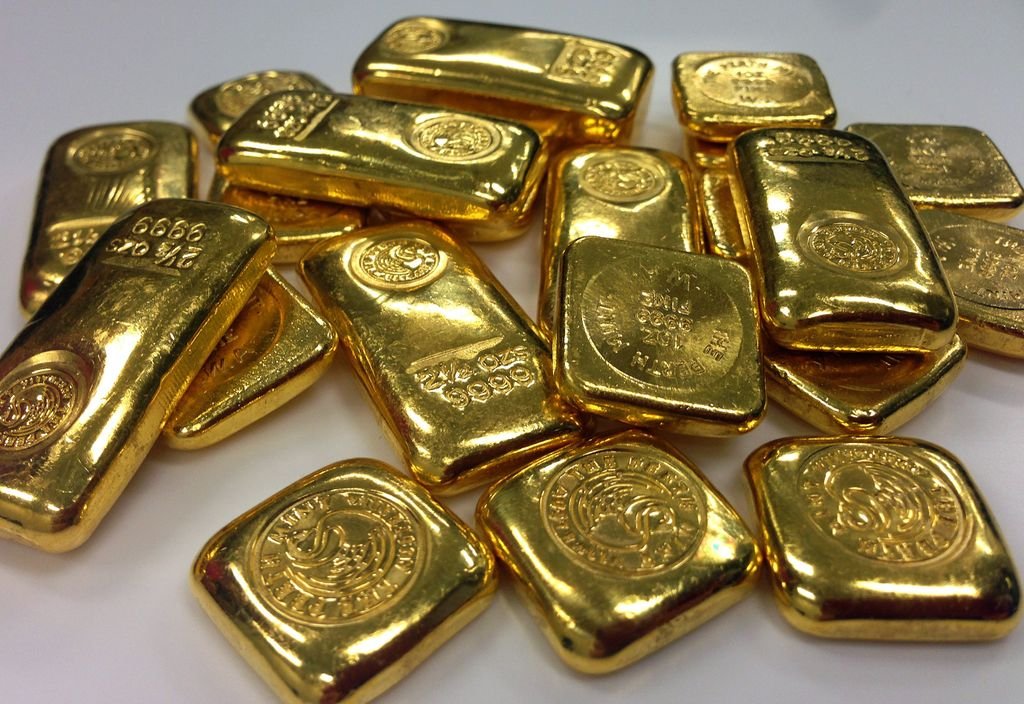
Gold has long been viewed as a safe-haven asset, valued for its ability to preserve wealth during times of economic uncertainty. Whether inherited, purchased as an investment, or accumulated through jewellery over time, gold can represent a significant store of value. That being said though, when it comes time to sell, many people wonder whether there is a “perfect” moment to do so.
Timing the market when selling gold can make a meaningful difference to the price you receive. While predicting price movements with absolute certainty is impossible, understanding the factors that influence gold prices can help you make a more informed decision. Before selling, many people also benefit from reading resources such as a guide to sell gold safely to ensure they work with reputable buyers and follow best practices throughout the process.
In this article, we explore how gold prices move, what signals investors often watch, and how you can approach timing the market strategically when selling gold.
Table of Contents
Why Gold Prices Fluctuate
Gold prices rarely remain static. Instead, they move constantly in response to global economic conditions, financial markets, and investor sentiment. Some of the key factors influencing gold prices include:
- Global economic uncertainty: Gold often rises during periods of economic instability. When stock markets decline or inflation rises, investors frequently turn to gold as a store of value.
- Interest rates: When interest rates increase, gold can become less attractive because it does not generate interest or dividends. Conversely, lower interest rates often support higher gold prices.
- Currency movements: Gold is typically priced in US dollars on international markets. If the Australian dollar weakens relative to the US dollar, gold prices in Australia may rise even if the global gold price remains stable.
- Inflation concerns: Gold has historically been used as a hedge against inflation. When inflation rises, demand for gold can increase as investors seek to protect their purchasing power.
Because these forces interact constantly, the gold market experiences regular cycles of peaks and dips.
Signs It Might Be a Good Time to Sell
While it is difficult to pinpoint the exact peak of the gold market, several indicators can suggest that prices may be favourable for sellers.
- Gold Prices Near Historical Highs: When gold approaches or surpasses historical price levels, many investors consider selling part of their holdings. High prices may reflect strong demand, economic uncertainty, or currency movements that benefit gold sellers. If you notice headlines about record gold prices, it may indicate a potentially advantageous time to consider selling.
- Strong Investor Demand: Gold demand often surges during periods of geopolitical instability, financial crises, or inflation spikes. Increased buying activity can push prices higher. If markets are experiencing volatility and gold is receiving widespread attention, demand may be helping sustain elevated prices.
- Currency Advantages for Australian Sellers: Australian sellers should also pay attention to exchange rates. Because gold is traded globally in US dollars, fluctuations in the Australian dollar can significantly influence local gold prices. A weaker Australian dollar can increase the amount you receive when selling gold domestically.
Why Waiting for the “Perfect” Price Can Be Risky
Many sellers hesitate because they hope prices will continue to rise. While this may happen, markets rarely move in a straight line. Trying to perfectly time the market carries several risks:
- Prices can fall unexpectedly: Economic news, interest rate changes, or shifts in investor sentiment can quickly reverse gold price trends.
- Opportunity cost: Holding gold indefinitely while waiting for higher prices may prevent you from using the funds for other investments or financial needs.
- Emotional decision-making: When people focus too heavily on market peaks, they may delay selling even when prices are historically strong. In many cases, selling when prices are favourable rather than waiting for a theoretical peak is a more practical strategy.
Practical Strategies for Selling Gold
Instead of trying to predict exact price movements, many experienced investors use practical strategies to reduce uncertainty.
- Monitor Gold Price Trends: Keep an eye on gold price charts over time. Observing broader trends rather than daily fluctuations can provide a clearer perspective on market conditions. Many financial news outlets and commodity websites publish updated gold prices regularly.
- Sell in Stages: If you have a large quantity of gold, consider selling in stages rather than all at once. This approach allows you to benefit from strong prices while maintaining exposure if prices rise further. For example, some sellers choose to sell a portion when prices are high and retain the remainder in case the market continues upward.
- Understand the Value of Your Gold: Before selling, it is important to know what you own – the value of gold depends on factors such as purity (e.g., 9ct, 14ct, 18ct, 24ct), weight, current market price, and whether the item has collectible or jewellery value. Professional gold buyers typically assess these factors before providing a quote.
The Importance of Choosing a Reputable Buyer
Timing the market is only one part of achieving a good outcome when selling gold. Equally important is choosing a trustworthy and transparent buyer. A reputable buyer should:
- Provide clear explanations of how your gold is valued
- Use calibrated scales and professional testing methods
- Offer competitive rates based on current gold prices
- Maintain transparent pricing without hidden deductions
Working with experienced buyers ensures that the price you receive reflects the true value of your gold.
Emotional Factors That Influence Selling Decisions
Gold often carries sentimental value, particularly when it comes from family heirlooms or inherited jewellery. As a result, the decision to sell can sometimes involve emotional considerations as well as financial ones. Before selling, it can be helpful to consider:
- Whether the item holds personal significance
- Whether the funds from selling could serve a meaningful purpose
- Whether holding onto the item provides emotional value
Balancing practical financial considerations with personal sentiment is an important part of the decision-making process.
Market Timing vs Financial Goals
Ultimately, the best time to sell gold depends not only on market conditions but also on your personal financial goals. For some sellers, the right moment may be when prices are strong and they need funds for a specific purpose, such as paying down debt, funding travel, or investing elsewhere. For others, selling may be part of a long-term investment strategy that involves periodically adjusting their asset allocation.
Rather than chasing the highest possible price, focusing on achieving a fair and favourable outcome often leads to better long-term decisions.
Timing the market when selling gold is never an exact science, but understanding the factors that influence prices can help you make a more confident decision
By monitoring economic trends, watching currency movements, and working with reputable buyers, you can increase your chances of selling at a favourable time. Most importantly, approach the process with a clear understanding of both market conditions and your personal financial goals. When those elements align, selling gold can be a straightforward and rewarding decision.
Apart from that, if you want to know more about Gold Bullion vs Collectible Coins: What’s the Difference for Investors then visit our Finance category.