











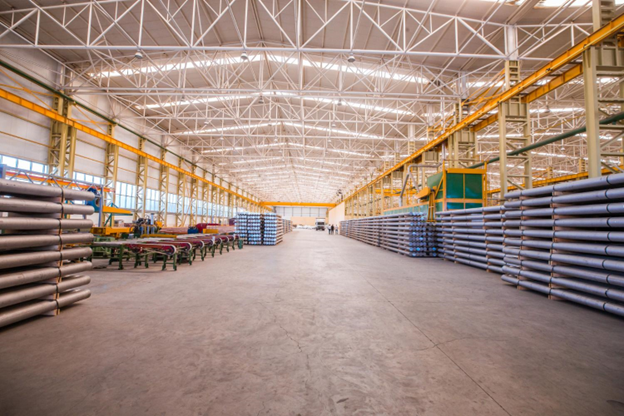
Warehouses are hubs of activity, often operating long hours and requiring reliable, efficient lighting solutions.
In recent years, many facilities have been transitioning from traditional lighting systems to industrial LED flood lights, and for good reasons. From energy savings to improved safety and performance, LED technology offers advantages that can transform warehouse operations. Stick with us to find out more about why warehouses are switching to industrial LED lights.
Table of Contents
Significant energy savings
One of the primary reasons warehouses are switching to industrial LED flood lights is the substantial energy savings they deliver.
Traditional lighting systems, such as halogen fixtures, consume large amounts of electricity and are often left running for extended hours. In contrast, LED flood lights use significantly less power while producing the same, or higher, levels of brightness.
Industrial LED flood lights convert more energy into usable light rather than heat, making them far more efficient. This reduced energy consumption can lead to noticeably lower electricity bills, especially in large warehouse spaces where lighting accounts for a major portion of operating costs.
Additionally, LED flood lights work seamlessly with motion sensors, timers, and smart controls. This allows warehouses to illuminate only active areas, further cutting unnecessary energy use without compromising safety or productivity.
Longer lifespan and reduced maintenance
Another major advantage driving warehouses to adopt industrial LED flood lights is their long lifespan and low maintenance requirements. Traditional lighting systems often need frequent bulb replacements, especially in facilities that operate long hours or around the clock. This leads to higher maintenance costs and regular disruptions to operations.
Industrial LED flood lights are designed to last tens of thousands of hours, significantly outperforming older lighting technologies. Their durability reduces replacement frequency, which is especially valuable in warehouse environments with high ceilings or hard-to-reach fixtures.
Fewer replacements also mean lower labor costs and reduced downtime. Maintenance teams spend less time changing lights and more time focusing on essential tasks, improving overall operational efficiency.
In addition, LED flood lights are more resistant to vibration, temperature changes, and environmental stress, making them a reliable lighting solution for demanding industrial settings.
Better light quality and visibility
Unlike traditional lighting that can produce uneven illumination, flickering, or dark spots, LED flood lights deliver consistent, high-quality light across large spaces.
Industrial LED flood lights provide brighter, more uniform illumination that enhances visibility in aisles, loading docks, and storage areas. This clarity helps workers accurately read labels, operate machinery, and navigate the warehouse safely.
Better light quality also reduces eye strain and fatigue, especially during long shifts. LEDs offer superior color rendering, making objects and warning signs appear clearer and more natural than with older lighting technologies.
By improving overall visibility, industrial LED flood lights support safer working conditions, increased productivity, and fewer errors, making them a smart upgrade for modern warehouse environments.
Enhanced safety and working conditions
Safety is a top priority in warehouse environments, and LED lights play a crucial role in creating safer working conditions. Poor or uneven lighting increases the risk of accidents, missteps, and operational errors. LED flood lights help eliminate these issues by providing bright, consistent illumination throughout the facility.
Well-lit work areas make it easier for employees to spot hazards, read safety signage, and operate machinery with confidence. Improved visibility reduces the likelihood of trips, collisions, and picking errors, contributing to a safer overall environment.
In addition to visibility, industrial LED flood lights produce less heat and operate without flicker, creating a more comfortable workspace. Reduced glare and eye strain help improve focus and reduce fatigue during long shifts.
Eco-friendly and sustainable
Sustainability is becoming an increasing priority for warehouse operators, and LED flood lights offer a more environmentally responsible lighting solution. Compared to other lighting systems, LED flood lights use significantly less energy, which helps reduce overall carbon emissions and environmental impact.
Industrial LED flood lights are also built to last longer, meaning fewer replacements and less waste over time. Unlike some older lighting technologies, LEDs do not contain hazardous materials such as mercury, making them safer to use and easier to dispose of responsibly.
In addition, lower heat output reduces the need for additional cooling within warehouse spaces, further improving energy efficiency. When combined with smart controls like motion sensors and automated scheduling, LED flood lights help warehouses minimize unnecessary energy usage without compromising performance.
Conclusion
The switch to industrial LED flood lights is more than a trend. It’s a strategic investment in efficiency, safety, and long-term cost savings.
For warehouses looking to modernize, improve working conditions, and reduce operating expenses, LED lighting offers a clear advantage over traditional alternatives.
If you want to know more about Why Every Adelaide Home Needs a Licensed Gas Plumber, then visit our Home Improvement category.