

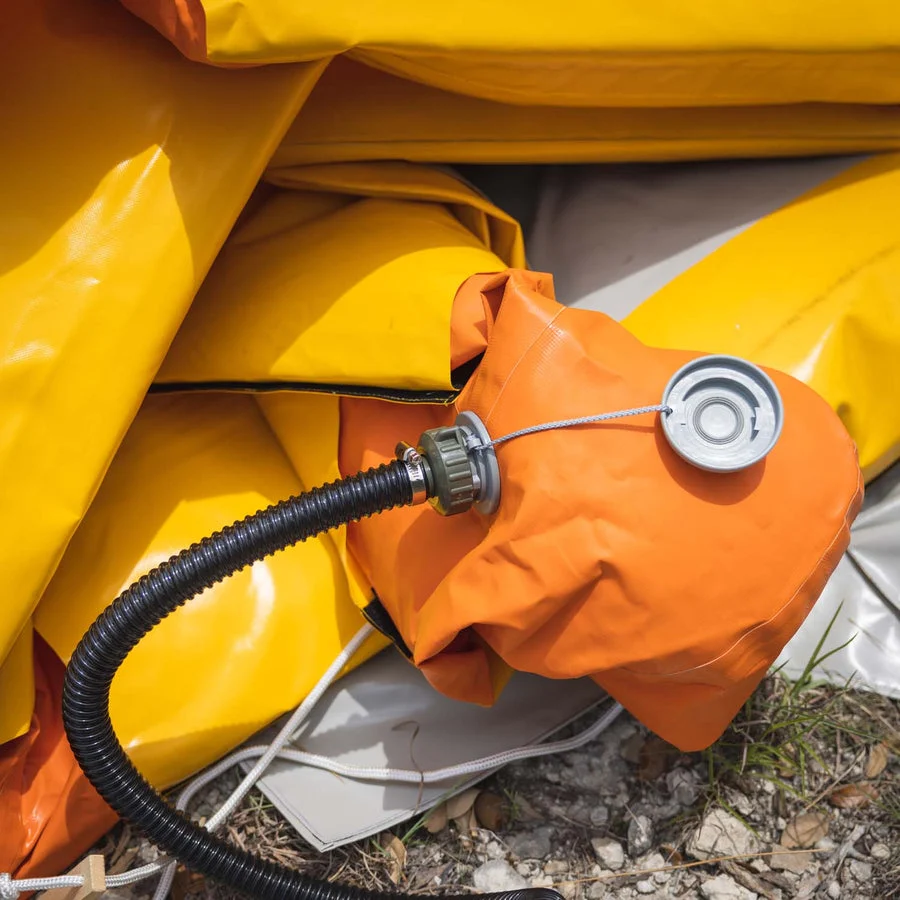
A chemical spill kit is a collection of compatible absorbents, containment materials, disposal supplies and, in some cases, basic personal protective equipment. Workplaces that store, handle or transport hazardous substances should keep suitable response equipment available for foreseeable leaks and spills.
When correctly selected and used by trained personnel, chemical spill kits in Australia can help limit exposure, protect nearby work areas and reduce the risk of spilled liquids reaching drains or the environment.
Table of Contents
Why Chemical Spill Kits in Australia Support Safer Workplaces
Chemical spills can expose workers, contractors, visitors and the surrounding environment to serious hazards. Depending on the substance involved, an incident may cause chemical burns, toxic vapours, fire risks, equipment damage or environmental contamination.
A compatible kit allows trained workers to contain and absorb spills that fall within its stated chemical and volume capacity. However, a portable kit is only one part of effective spill preparation. Depending on the site and substances involved, businesses may also require bunding, drainage controls, emergency procedures and specialist assistance.
Selecting Equipment for the Identified Hazard
Not every spill kit is suitable for every liquid. General-purpose kits may be appropriate for some oils, coolants and non-aggressive workplace fluids, while specialised hazchem kits are designed for many corrosive or hazardous substances.
Because chemical properties and spill volumes vary, selection should begin with a site-specific risk assessment. Businesses looking for suitable chemical spill kits in Australia should consider:
- the substances stored or used on site;
- the type and maximum reasonably foreseeable quantity of a spill;
- absorbent and container compatibility;
- required personal protective equipment; and
- appropriate waste-handling and disposal methods.
Correct Placement and Worker Training
Spill-response equipment should be clearly marked and positioned near higher-risk areas without being placed where a leak could block access.
Personnel who may respond to an incident should understand how to raise the alarm, isolate the area, use appropriate PPE, contain the substance, and arrange lawful waste disposal. Regular training and practical drills can help workers follow emergency procedures more confidently.
Inspection and Ongoing Maintenance
Even a correctly selected kit will be ineffective if its contents are incomplete or workers are not trained to use it. Kits should be inspected at planned intervals and after every use.
Missing, contaminated, damaged or degraded components should be replaced promptly. Businesses should also confirm that signs remain visible, instructions are readable, and the kit capacity still reflects the hazards present on site.
Summary
Effective spill preparation depends on compatible equipment, site-specific risk assessment, accessible placement, worker training and regular inspection. Businesses should review their chemical register, SDS documents and foreseeable spill volumes before selecting or replacing equipment. For help choosing suitable workplace spill-control products, contact Spill Station for guidance.
Apart from that, if you want to know more about How to Design an Eye-Catching Market Stall then visit our Business category.