

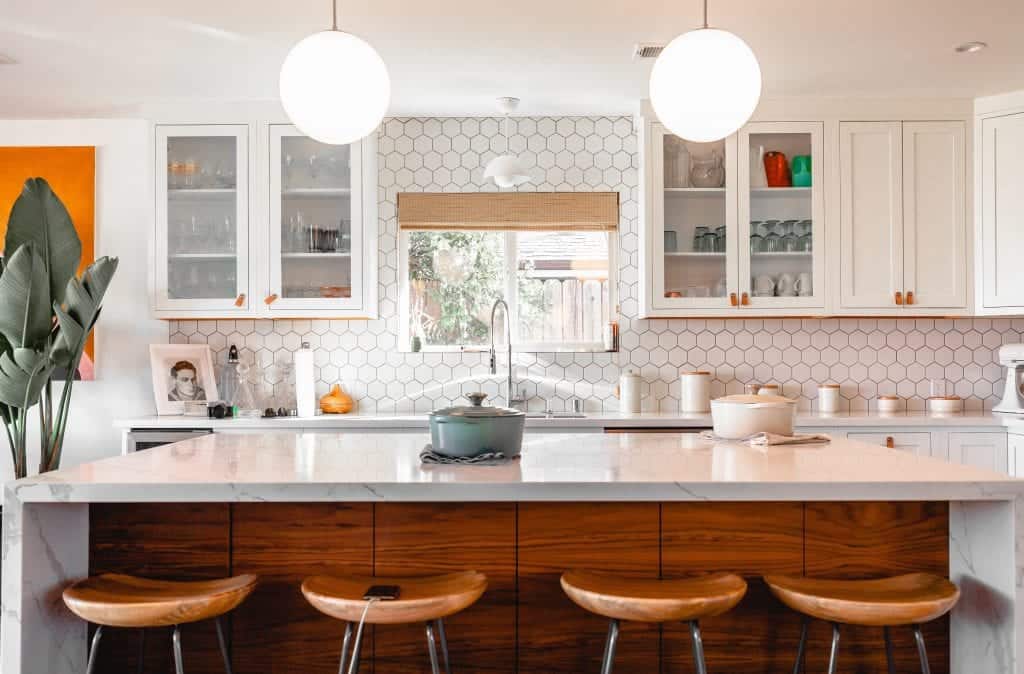
A kitchen can have beautiful cabinetry, quality benchtops and carefully chosen appliances, but if the lighting isn’t right, the whole room can feel slightly unfinished. It might be too dim in the areas where you actually need to see what you’re doing, too harsh over the dining space, or simply missing that layer of warmth that makes the kitchen feel like part of the home rather than just a practical work zone.
Lighting is one of those design details people sometimes leave until late, yet it has a huge impact on how the kitchen looks and functions. The right fitting can draw attention to an island bench, soften a modern layout, add texture to a neutral palette or help connect the kitchen with nearby dining and living spaces. That’s why features like kitchen pendant lights are often used not just for illumination, but as a design element that helps complete the room.
Table of Contents
Start With the Way the Kitchen Is Used
Before choosing a light fitting, it helps to think about what actually happens in the kitchen day to day. Some kitchens are mainly for cooking and cleaning up. Others double as homework stations, casual dining areas, coffee spots, wine-and-cheese counters, or the place where everyone gathers while dinner is being made.
A kitchen island, for example, may need lighting that works for chopping vegetables during the week, serving food when friends come over, and creating a softer mood once the cooking is done. That’s a lot to ask from one area, which is why relying on a single ceiling light rarely gives the best result.
A more finished kitchen usually has layers. There might be task lighting under cabinets, general lighting across the ceiling, and a decorative feature over the island or dining zone. Each layer does a different job, and together they make the room feel balanced.
Think About Proportion
Pendant lights can look incredible in a kitchen, but size matters. A fitting that’s too small can disappear above a large island, while something oversized can dominate the room and make the ceiling feel lower than it is. The goal is to choose lighting that feels intentional without overwhelming the space.
For longer benches, a row of two or three pendants can create rhythm and symmetry. For smaller kitchens, one statement pendant or a pair of simpler fittings may be enough. The height of the ceiling, the width of the island and the visual weight of the fittings all come into play.
It’s also worth thinking about what else is happening in the room. If the cabinetry, splashback or benchtop already has a strong pattern or colour, a quieter light fitting may work better. If the kitchen is quite simple and minimal, lighting can be a good place to introduce shape, texture or a little drama.
Use Lighting to Add Warmth
Kitchens are full of hard surfaces: stone, tile, timber, glass, metal and laminate. They need to be durable and easy to clean, but too many hard finishes can sometimes make the space feel cold. Lighting can help soften that.
Warm-toned bulbs, dimmable fittings and materials like woven fibres, smoked glass, timber details or brushed metal can all shift the mood of a kitchen. Even in a sleek modern home, a well-chosen pendant can stop the space from feeling too clinical.
This is especially important in open-plan homes, where the kitchen is visible from the lounge or dining area. The lighting shouldn’t feel like an afterthought. It should help the kitchen sit comfortably within the wider living space, so the room feels inviting even when nobody is cooking.
Don’t Forget Practical Details
As much as lighting is about style, kitchens still need to function properly. Pendant lights should be positioned so they illuminate the bench without blocking sightlines or getting in the way of conversation. They should be easy enough to clean, especially if they’re near cooking areas, and the light they cast should be useful rather than purely decorative.
Glare is another detail worth considering. Clear glass pendants can look beautiful, but depending on the bulb and placement, they may feel too bright at eye level. Opaque shades, diffused glass or carefully chosen globes can make the light feel more comfortable.
Dimmers are also useful in kitchens because they allow the room to shift throughout the day. Bright light is helpful when preparing food, while softer light works better once dinner is served and the kitchen becomes part of the evening atmosphere.
Let the Lighting Tie the Room Together
A finished kitchen doesn’t necessarily mean a dramatic kitchen. Sometimes the best lighting choice is subtle, simple and quietly elegant. Other times, it’s the one feature that gives the space personality.
The key is to choose lighting that belongs in the room. It should suit the scale of the kitchen, support the way the space is used, and add something to the overall feel rather than just filling an empty spot above the bench.
The Detail That Changes the Whole Mood
When lighting is chosen well, it can make a kitchen feel warmer, more polished and more complete. It helps define zones, creates atmosphere and brings together all the other design choices in the room.
A kitchen doesn’t have to be brand new or heavily renovated to benefit from better lighting. Sometimes changing the fittings, adjusting the warmth of the bulbs or adding a feature above the island is enough to make the whole space feel more considered. It’s a practical detail, but it’s also one of the simplest ways to make a kitchen feel truly finished.
Apart from that, if you want to know more about Asphalt Parking Lot Repair: A Cost-Effective Lifesaver then visit our Home Improvement category.