












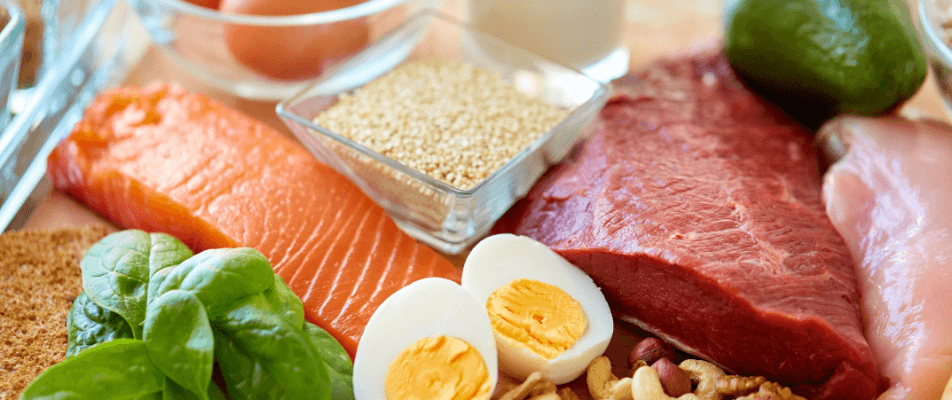
Protein is one of the most important nutrients in the body, playing a key role in muscle repair, hormone production, immune function and overall energy levels. While many Australians are mindful of eating “healthy,” it’s surprisingly common to fall short on daily protein intake—especially for people with busy lifestyles, dietary restrictions, or plant-based diets.
If you’ve been feeling a little off lately, your body may be trying to tell you something. Here are some common signs you’re not getting enough protein, and why addressing it matters.
Table of Contents
Persistent Fatigue and Low Energy
Protein helps stabilise blood sugar levels and supports sustained energy throughout the day. When your intake is too low, you may experience frequent energy crashes, sluggishness, or difficulty concentrating—especially between meals. Unlike carbohydrates, protein digests more slowly, which helps keep you feeling energised and mentally sharp for longer.
Frequent Hunger or Constant Snacking
If you feel hungry shortly after eating, inadequate protein could be the culprit. Protein is highly satiating, meaning it helps you feel full and satisfied. Meals low in protein often lead to cravings, overeating, or reliance on sugary snacks to get through the day. Including a quality protein source at every meal—such as lean meats, eggs, legumes, or a gluten free protein powder—can help curb unnecessary snacking and promote better appetite control.
Muscle Weakness or Slow Recovery
Protein is essential for maintaining muscle mass and repairing tissue after physical activity. If you notice increased muscle soreness, weakness, or slower recovery after workouts (or even daily tasks), it may indicate your body doesn’t have enough building blocks to repair itself effectively. This is particularly relevant for active individuals, older adults, or anyone doing resistance or endurance exercise.
Hair Thinning and Brittle Nails
Hair, skin and nails are largely made up of protein structures like keratin. When protein intake is insufficient, the body prioritises vital organs over cosmetic functions. Over time, this can result in thinning hair, increased hair shedding, brittle nails, or slow nail growth.
Getting Sick More Often
Protein plays a critical role in immune system function, helping the body produce antibodies and immune cells. If you’re catching colds frequently or struggling to recover from illness, inadequate protein intake may be compromising your immune defences.
Poor Wound Healing
If cuts, bruises or minor injuries seem to take longer than usual to heal, protein deficiency could be a contributing factor. Protein is essential for tissue repair and cell regeneration—both critical to proper healing.
Mood Changes and Irritability
Protein provides amino acids that are used to produce neurotransmitters like serotonin and dopamine, which influence mood and emotional balance. Low protein intake can sometimes be linked to irritability, low mood, or difficulty managing stress.
Who is Most at Risk of Low Protein Intake?
Some people are more likely to fall short on protein than others, including:
- People following vegetarian or vegan diets without careful planning
- Older adults with reduced appetite
- Busy professionals skipping meals or relying on convenience foods
- Individuals with food intolerances or allergies limiting protein options
- Those recovering from illness or injury
How Much Protein Do You Really Need?
Protein requirements vary based on age, activity level, body weight and health goals. As a general guide:
- Sedentary adults: around 0.75-0.84 g per kg of body weight per day
- Active individuals: closer to 1.2-2.0 g per kg of body weight
- Older adults: often benefit from higher intakes to preserve muscle mass
Spreading protein intake evenly across meals is just as important as total daily intake.
Simple Ways to Increase Protein Intake
Improving your protein intake doesn’t have to be complicated. Consider:
- Adding eggs or Greek yoghurt to breakfast
- Including lean protein at every main meal
- Choosing high-protein snacks like nuts or cottage cheese
- Using protein supplements that suit your dietary needs, especially if you have intolerances
Protein deficiency doesn’t always present as a dramatic health issue—but subtle signs can add up over time
If you’ve noticed ongoing fatigue, hunger, slow recovery, or changes in hair and nails, it may be worth reviewing your protein intake. By making small, consistent adjustments and choosing protein sources that align with your lifestyle and dietary requirements, you can support better energy, recovery, immunity and overall wellbeing.
Apart from that if you want to know about How to keep your skin healthy for a long time then please visit our Health Category.