

Last Updated on September 2, 2026 by Nasir Hanif
Direct answer: The simplest emancipation definition is the act or process of being freed from another person’s control, authority, or legal restraint. In everyday use, it means gaining freedom or independence. In law, it often refers to a minor gaining some or all adult rights before reaching the usual age of majority. Also worth a look: What Is a Mistrial.
The word can appear in conversations about personal freedom, civil rights, slavery, social change, or family law. Its exact meaning depends on who becomes free, what authority existed before, and the context in which the word appears.
| Key point | What to know |
|---|---|
| Part of speech | Noun |
| Simple meaning | The act or state of becoming free from control or restraint |
| Pronunciation | ih-man-suh-PAY-shuhn |
| Common synonyms | Liberation, freedom, freeing, release |
| Common contexts | Rights, slavery, social freedom, parental authority, minors |
| Related verb | Emancipate |
Dictionary sources consistently connect the word with freedom from control, restraint, or authority. Collins also lists liberation and freedom among its closest meanings.
Table of Contents
Key Takeaways
- The term generally describes becoming free from another person’s control or from a restrictive condition.
- It can describe personal, political, social, historical, or legal freedom.
- In family law, the word often concerns minors and parental authority.
- Historical discussions commonly connect it with the freeing of enslaved people.
- Context matters because freedom, liberation, independence, and release aren’t interchangeable in every sentence.
Emancipation Definition in Plain English
Emancipation describes a change from being controlled or restricted to being free from that control. Merriam-Webster connects the underlying verb emancipate with freedom from restraint, control, power, bondage, or enslavement.
Think of the word as describing a change in status or freedom. The person or group was previously subject to an authority, rule, institution, or restrictive condition. After that change, they gain greater independence or control over their own choices.
This explains why you may encounter the term in history books, legal writing, political discussions, and everyday descriptions of independence.
If you’re developing your vocabulary, stronger comprehension makes words like this easier to understand from context. Readesh explains this connection in its discussion of strong reading skills in the digital age.
How Do You Pronounce the Word?
In American English, emancipation is commonly pronounced ih-man-suh-PAY-shuhn, with the primary stress falling on “PAY.” Merriam-Webster and Dictionary.com provide closely matching pronunciations.
A simple syllable guide is:
e-man-ci-pa-tion
The related verb is emancipate. The adjective emancipated describes someone who has been freed from a form of control.
Learning new words along with their pronunciation, meanings, and contexts can make them easier to remember. Readesh also discusses how explanations of difficult words can support vocabulary development in its article on Class 12 English and NCERT books.
What Does the Word Mean in Law?
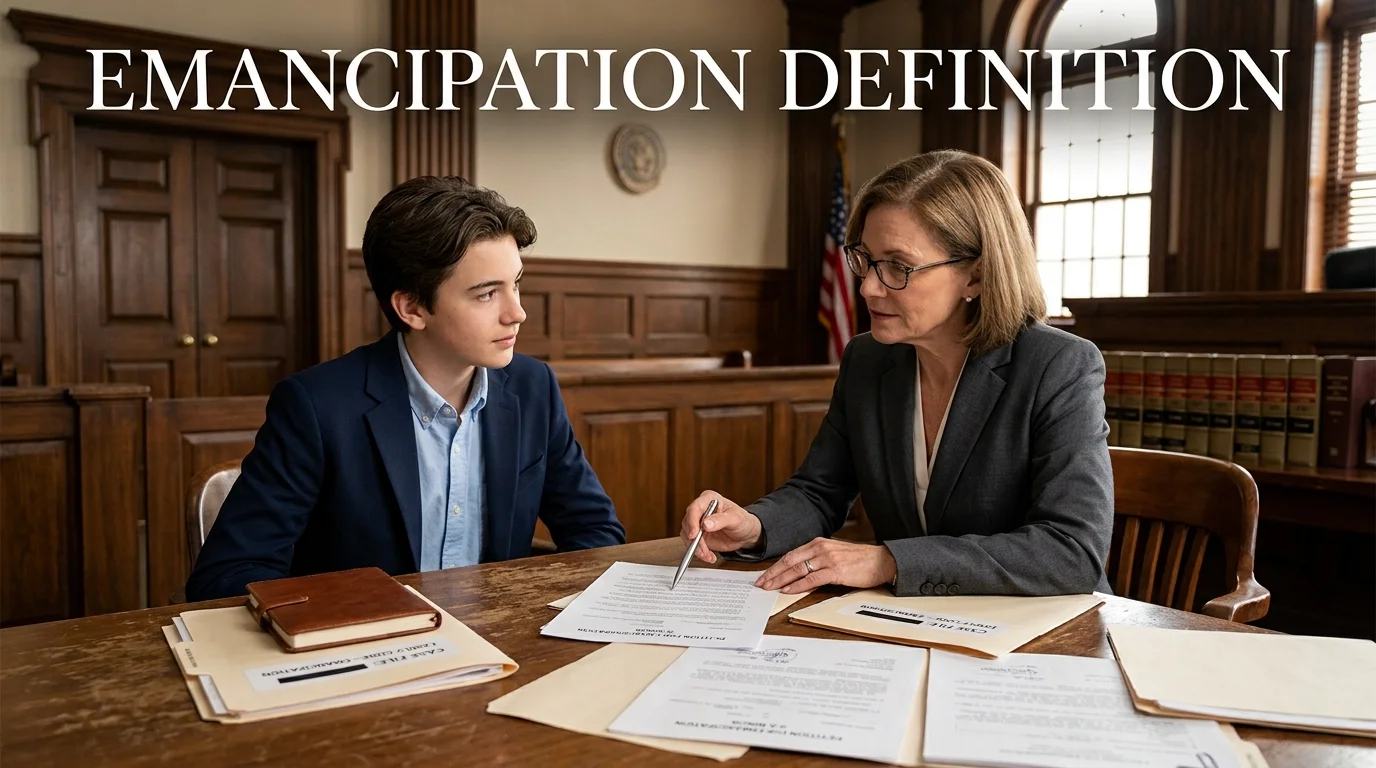
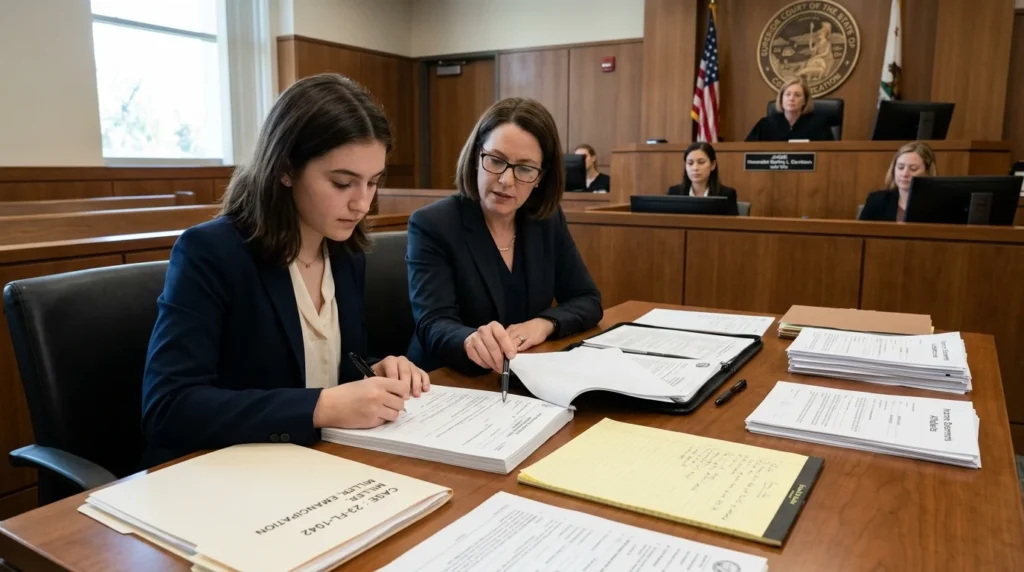
Legal emancipation commonly concerns a minor becoming free from some or all parental custody and control before the ordinary transition to adulthood. Cornell’s Legal Information Institute describes it as a mechanism through which eligible minors can receive some or all of the rights and statuses associated with adults.
The legal effect isn’t identical everywhere. Laws can vary by jurisdiction and according to individual circumstances. A court process may be required in some jurisdictions, while other legal systems may recognize certain forms of independence differently.
An emancipated minor may gain greater authority over personal, financial, or contractual decisions. That status can also bring greater responsibility for personal support and daily affairs. Anyone dealing with a real case should check the law in the relevant jurisdiction rather than relying on a general dictionary explanation.
This legal meaning is narrower than the ordinary meaning. A person can describe gaining personal or social freedom without referring to a formal legal change.
Historical Use and the Emancipation Proclamation
One of the best-known uses of the word appears in the Emancipation Proclamation, issued by U.S. President Abraham Lincoln on January 1, 1863, during the Civil War. The proclamation declared enslaved people in designated areas then in rebellion against the United States to be free.
The document had important limits. It applied to areas in rebellion and did not itself abolish slavery throughout the entire United States. The Library of Congress notes that the Thirteenth Amendment, ratified in 1865, ended legal slavery nationwide.
That history helps explain why the word remains strongly associated with freedom from slavery. Its use is broader, though. Dictionaries also apply it to freedom from authority, convention, restraint, and other forms of control.
Synonyms and Related Words
Emancipation overlaps with several familiar words, but the best choice depends on context. Collins lists liberation, freedom, freeing, and release as close synonyms. Merriam-Webster also identifies liberation as a central synonym.
| Word | Typical sense | Example context |
|---|---|---|
| Liberation | Being set free from control or oppression | Political or social freedom |
| Freedom | The ability to act without unwanted restraint | Rights and personal choice |
| Release | Being freed from confinement or obligation | A specific restriction |
| Independence | The ability to govern or support oneself | Personal or national autonomy |
These words can overlap, but they carry different shades of meaning. “Independence,” for example, often focuses on self-direction. “Liberation” places more emphasis on being freed from restriction or oppression.
Examples in Sentences
Here are several ways the word can appear naturally:
- The movement fought for the emancipation of people who had been denied basic rights.
- The court considered whether emancipation would allow the teenager to manage certain affairs independently.
- The historian examined emancipation as a turning point in the country’s struggle over slavery.
Notice that each sentence involves freedom from some form of prior control. The source of that control varies, so the surrounding words tell you which sense is intended.
How to Understand the Meaning From Context
When you encounter the word while reading, look for three clues.
- Who is gaining freedom? It may be an individual, a minor, an enslaved population, or a social group.
- What control existed before? Look for parental authority, legal restraint, slavery, political limits, or social restrictions.
- Is the change legal or figurative? A court order has a narrower meaning than a general statement about personal freedom.
This quick check prevents you from applying a legal definition to a historical or everyday sentence when it doesn’t fit.
For more practice with comprehension and educational topics, Readesh’s Education section offers additional reading material on study and learning.
Remember the Core Idea
The easiest way to remember this word is to associate it with a shift from control to freedom. Then use the surrounding context to identify whether that freedom is legal, personal, political, social, or historical.
When you learn a new term, don’t memorize a dictionary line alone. Read it in several contexts, compare related words, and write your own sentence. That approach makes the meaning easier to recognize the next time you encounter it.
Frequently Asked Questions
It means being freed from someone else’s authority, control, or restraint. The word can describe legal freedom, social or political liberation, or release from another restrictive condition.
A historian might write, “The movement became an important step toward the emancipation of an oppressed population.” A legal example looks different. A court may consider whether emancipation would let a minor become independent from parental control.
No. The legal sense often concerns minors today, but the word has a much broader history. It can refer to people being released from slavery, political restrictions, social control, or another form of authority.
The meanings overlap, but they aren’t always identical. Freedom describes a state of being free. The term discussed here often emphasizes the process or act of becoming free.
Common choices include liberation, freedom, freeing, and release. The best synonym depends on the sentence and the type of control involved.
Its strongest association in American history comes from Lincoln’s 1863 proclamation concerning enslaved people in areas of the Confederacy then in rebellion. The proclamation did not, by itself, abolish slavery throughout the country.