

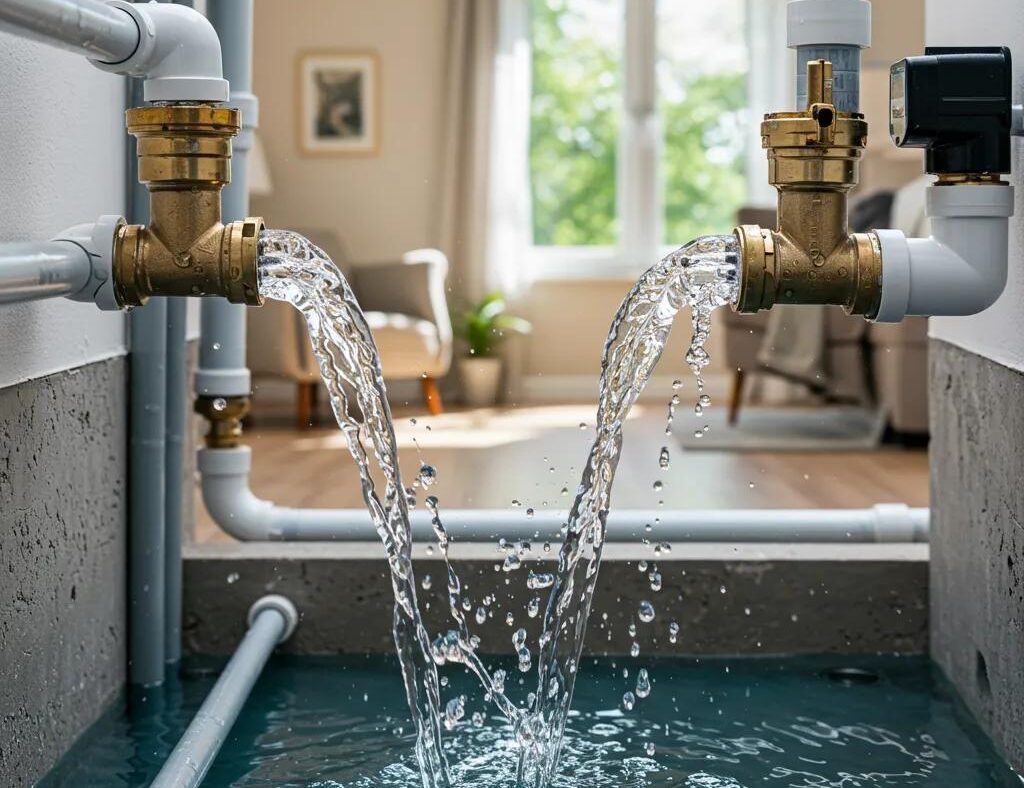
A sump pump can protect your basement from costly water damage, but only when it works properly. Power loss, clogged discharge lines, worn parts, and switch problems can cause sudden failure. Knowing the warning signs and taking simple preventive steps can help keep your home dry during heavy rain storms.
A working sump pump is easy to forget until water starts rising in the pit. When the system fails during heavy rain, moisture can quickly spread across a basement, damage belongings, and affect walls or flooring. Homeowners can reduce that risk by understanding why sump pumps stop working and checking the system before severe weather arrives. Professional sump pump services in Des Moines can help identify worn components, drainage problems, or installation issues before they lead to flooding. With regular testing, timely repairs, and the right backup protection, a sump pump can remain ready when your home needs it most.
Table of Contents
Common Reasons a Sump Pump Stops Working
Power failure is a common cause of sump pump trouble. A standard electric pump cannot operate during an outage without backup protection. Heavy storms may increase both water entry and the chance of losing power.
Float switch problems are another frequent cause. The float tells the pump when water rises high enough to start. If it becomes stuck, damaged, or blocked, the pump may not turn on or may run continuously.
Clogged or frozen discharge lines can stop water from leaving the home. The pump may then work harder without lowering the pit level. Check valve and pit drainage problems can cause similar trouble.
Warning Signs You Should Not Ignore
A healthy sump pump should start, remove water, and shut off normally. Grinding, rattling, repeated cycling, or nonstop operation deserves attention. An unusually high water level in the pit is another warning sign.
Homeowners should act if the pump fails a simple test. Adding water to the pit should raise the float and activate the unit. If nothing happens, sump pump services in Des Moines can identify problems involving the switch, motor, discharge system, or other components.
How to Reduce the Risk of Water Damage
Test the sump pump regularly, especially before heavy rain. Keep the pit free of debris and make sure the float moves freely. The discharge line should stay clear so water can leave the property without backing up.
Backup protection can help during outages or primary pump failure. Battery backup sump pumps and water-powered backup pumps can provide another layer of protection when conditions are severe. The right option depends on the home and existing system.
Professional maintenance can reveal worn parts before an emergency. If a pump is outdated, unreliable, or unable to keep up with incoming water, replacement may provide better protection than repeated repairs. Professional inspection can also confirm whether the pump is correctly sized and installed for the property.
FAQs
How often should I test my sump pump?
Testing it every few months and before periods of heavy rain is a practical approach. The pump should activate promptly, move water out, and shut off normally.
Why does my sump pump keep running?
Continuous operation may be caused by a stuck float, drainage problem, check valve issue, or a pump that is struggling with the amount of incoming water.
Can a clogged discharge line damage the pump?
Yes. A blockage can prevent water from leaving the system and make the pump work harder, which can increase wear and reduce performance.
Is a backup sump pump worth having?
A backup system can provide added protection if the main pump loses power or stops working during a storm. Battery and water-powered options are commonly available.
The Bottom Line
Sump pump failure can turn a manageable drainage issue into serious basement water damage. Power outages, blocked discharge lines, faulty float switches, motor problems, and worn components are among the most common causes. Regular testing and maintenance give homeowners a better chance of finding trouble early. Keeping the pit clean, checking the discharge path, and paying attention to unusual sounds or cycling can also help protect the system.
Do not wait for water to appear before checking whether your pump is ready. A dependable backup system can add protection during storms and outages, while timely repair or replacement can address problems before they become emergencies. If your pump fails to start, runs continuously, or no longer removes water effectively, professional sump pump services in Des Moines can inspect the system and recommend the appropriate repair, maintenance, or replacement solution to help keep your basement dry.