

Last Updated on June 28, 2026 by Rida Hamid
Table of Contents
What Is a Hair Transplant?
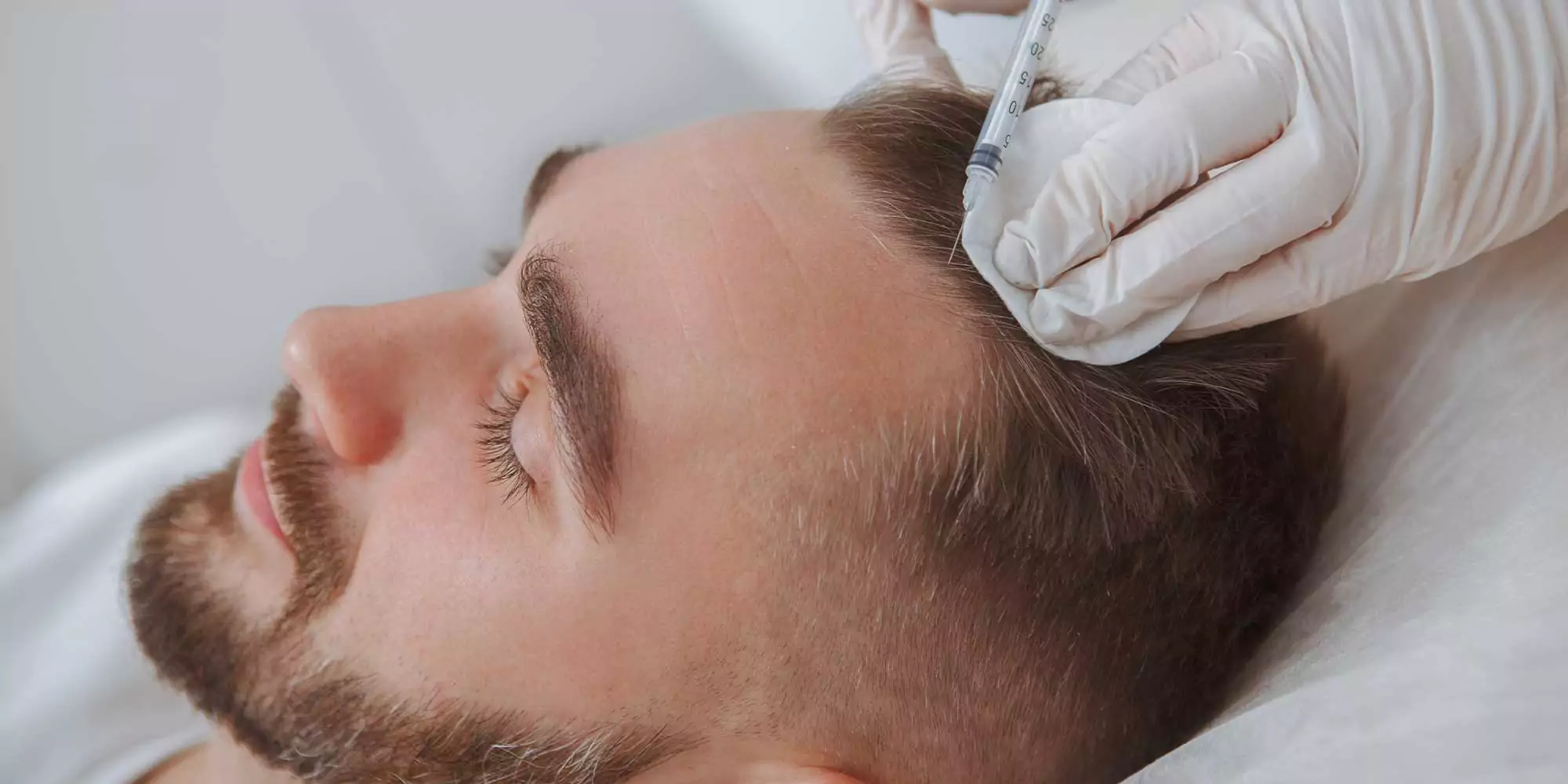
Hair loss is a common condition that affects millions of people around the world. It can occur due to genetics, aging, hormonal imbalances, stress, medical conditions, or lifestyle factors. For many individuals, hair loss impacts confidence and emotional well-being. A hair transplant is an advanced medical procedure designed to restore hair growth in areas affected by thinning or baldness.
A hair transplant involves taking healthy hair follicles from one part of the scalp, usually the back or sides of the head, and transferring them to areas experiencing hair loss. Since the transplanted follicles are resistant to hair thinning, they continue to grow naturally in their new location. This makes hair transplantation a long-term and effective solution for many patients.
Common Causes of Hair Loss
Hair loss can develop for several reasons. The most common cause is hereditary hair loss, also known as male or female pattern baldness. Other causes include stress, nutritional deficiencies, hormonal changes, scalp infections, medications, and autoimmune conditions.
Psychological conditions can also contribute to hair damage and bald patches. One important condition related to hair loss is HAIR TRANSPLANT Trichotillomania. Trichotillomania is a disorder in which individuals repeatedly pull out their own hair due to uncontrollable urges. This behavior can lead to visible hair thinning, scalp damage, and emotional distress. Understanding the condition and seeking proper treatment are essential steps toward recovery.
Types of Hair Transplant Procedures
There are two major techniques commonly used in hair transplantation:
Follicular Unit Extraction (FUE)
FUE is one of the most popular modern hair transplant methods. In this procedure, individual hair follicles are extracted directly from the donor area and implanted into the bald or thinning regions. FUE leaves very small scars and usually offers a faster recovery time.
Follicular Unit Transplantation (FUT)
FUT involves removing a thin strip of scalp from the donor area. Hair follicles are then separated and transplanted into the target area. Although FUT may leave a linear scar, it can be effective for patients who require a larger number of grafts.
Both methods can provide natural-looking results when performed by experienced specialists.
The Hair Transplant Process
Before the procedure, patients undergo a detailed consultation where doctors evaluate hair density, scalp condition, donor hair quality, and medical history. This assessment helps determine the most suitable treatment plan.
Hair transplantation is usually performed under local anesthesia, making the procedure relatively comfortable for patients. Depending on the number of grafts required, the treatment may take several hours to complete.
After the procedure, patients may experience mild swelling or redness for a few days. Most individuals can return to normal daily activities within a short period. Newly transplanted hair generally begins growing within three to four months, while full results often become visible after nine to twelve months.
Benefits of Hair Transplantation
Hair transplantation offers several important benefits, including:
Permanent and natural-looking hair growth
Improved appearance and self-confidence
Minimal maintenance compared to temporary solutions
Long-lasting results
Better hairline definition and scalp coverage
Modern techniques have made the procedure safer, more precise, and less invasive than in the past.
Maintaining Healthy Hair After Transplantation
Proper aftercare is important for successful results. Patients are often advised to follow medical instructions carefully, avoid smoking, maintain a healthy diet, and protect the scalp during the healing process. Managing stress and maintaining good overall health can also support long-term hair growth.
Conclusion
Hair transplantation is an advanced and effective treatment for individuals struggling with hair loss. By restoring natural hair growth, the procedure can significantly improve appearance, confidence, and quality of life. With modern techniques and professional care, hair transplants continue to provide successful and long-lasting results for patients worldwide.
If you want to know about Losing Your Hair? Here’s What Could be Going Wrong and How to Stop It then visit our Health category.